Dumpster rental services are useful for both residential and commercial properties. They can be used for decluttering, cleaning your garage of unwanted items, construction projects, and major renovations. Since there are many dumpster types available, you might have a hard time choosing the right one suitable for your needs. If you live in Utah, you’ve come to the right place. At IronClad Site Services, we offer dumpster rental services. In this blog post, we’ll discuss the different types of dumpsters. If you want to know more information, we encourage you to continue reading below.
Why Understanding Dumpster Types Matters
Dumpsters serve many purposes, including:
- Junk removal when a specific area of a home is being demolished for renovation purposes
- Standard waste removal for commercial properties
- Construction and demolition debris disposal
- Large-scale cleanouts and decluttering projects
- Ongoing waste management for businesses
You must choose the right type of dumpster to make your garbage removal easier and faster. Hopefully, after reading this guide, you’ll understand the different types of dumpsters, what they’re used for, and key tips to consider when choosing the right dumpster for your needs.
The 4 Main Types of Dumpsters
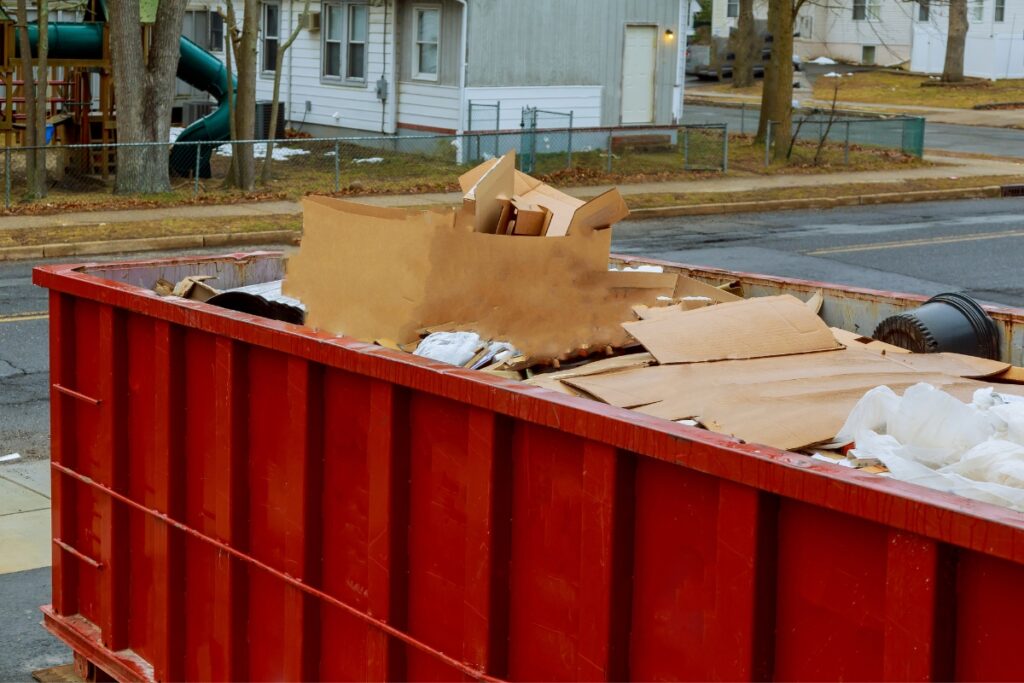
1. Roll-Off Dumpster: The Construction Workhorse
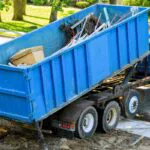
This is a type of dumpster with a large open top that rolls off a flatbed, making delivery and pickup easier. Once the dumpster is full, the flatbed truck returns to remove the entire dumpster, including all its contents, and hauls it away for proper disposal.
Roll-off dumpsters are commonly used for construction and demolition projects that produce large amounts of waste. They can be rented for 1 to 4 weeks, depending on the pickup schedule, when the project is finished, or limitations of the dumpster permit acquired. You must check your area’s regulations to see if a permit is required if the dumpster will be placed in the street, blocking a sidewalk or public area, or obstructing the view of vehicles.
Pros and Cons of Roll-Off Dumpsters
Pros:
- Largest capacity available (up to 40 cubic yards)
- Cost-effective for big projects
- Perfect for one-time or short-term projects
- Can handle heavy materials like concrete and roofing debris
Cons:
- Limited rental timeline
- May require permits if used in public spaces
- Higher daily rates if rental extends beyond agreed timeframe
Best For: Large projects such as construction, demolition, major home renovations, and whole-house cleanouts.
Roll-off dumpsters are the largest type of dumpster available, with sizes ranging from 10 to 40 cubic yards. To put that in perspective, a 20-yard dumpster can hold approximately 10 pickup truck loads of debris.
2. Front-Load Dumpster: The Commercial Standard
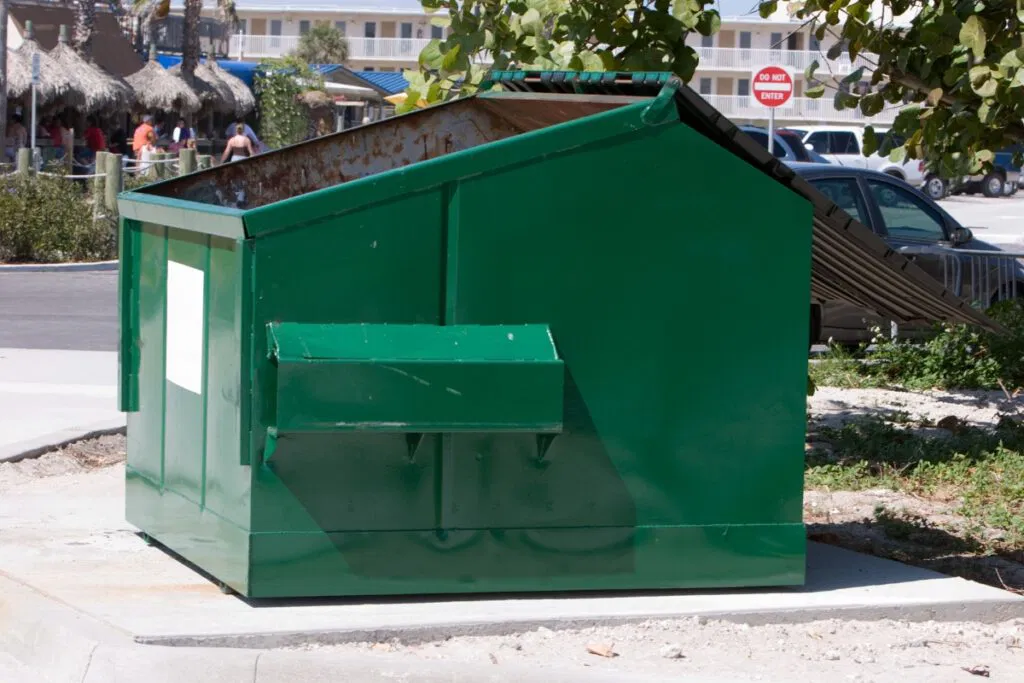
This type of dumpster is smaller than a roll-off dumpster. Once it’s filled, a garbage removal company empties it on a regular schedule instead of hauling it away completely. It’s recommended for continuous garbage removal solutions from companies that provide regular waste hauling services. It’s commonly located behind commercial businesses and used as outdoor garbage containers.
Front-load dumpsters are designed with easy-to-use lids, which make it simple to throw garbage inside. When the trash removal company comes to empty the front-load dumpster, it uses two prongs on the front of the truck that slide into the slots on either side of the dumpster, lifting it over the truck to empty the accumulated garbage inside.
Pros and Cons of Front-Load Dumpsters
Pros:
- Long-term use with regular scheduled pickups
- Easy trash removal with convenient lid access
- Consistent waste management solution
- No need to coordinate pickups for each collection
Cons:
- Increased expenses over time compared to short-term rentals
- Smaller capacity than roll-off dumpsters
- Requires ongoing service contract
Best For: Commercial spaces with ongoing trash removal needs, such as restaurants, retail stores, offices, and apartment complexes.
Front-load dumpsters typically have a capacity of 2 to 8 cubic yards, making them ideal for regular business waste but not suitable for large-scale projects.
3. Rear-Load Dumpster: The Alternative Pickup Solution
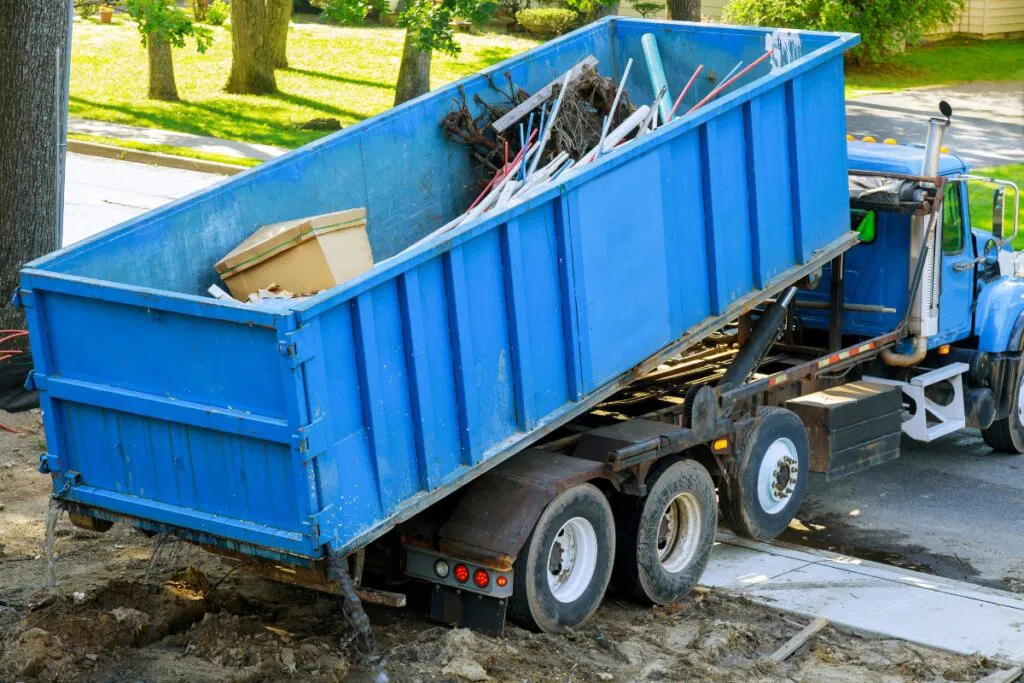
This type of dumpster functions like a front-load dumpster. The only difference between the two is that a trash removal company collects the waste from the rear instead of the front. They’re compatible with winches that lift them instead of hydraulic arms, which is what front-load dumpsters use.
Since they’re similar to front-load dumpsters, they’re also used in commercial spaces for continuous garbage removal. They’re designed with easy-to-lift lids to deposit trash inside conveniently.
Pros and Cons of Rear-Load Dumpsters
Pros:
- Continuous trash removal service on a schedule
- Easier garbage disposal with accessible rear access
- Good for locations with space constraints in front
Cons:
- Can only hold up to 8 cubic yards
- Can become expensive in the long run
- Requires ongoing service agreement
Best For: Continuous garbage removal for commercial properties, especially those with limited front access or space constraints.
Rear-load dumpsters usually have a capacity between 2 and 8 cubic yards, similar to front-load dumpsters.
4. Compacting Dumpster: Maximum Capacity Solution
This type of dumpster is large, like roll-off dumpsters, but features built-in trash compacting technology. It has a mechanism inside that crushes trash to reduce the space it takes up, efficiently allowing you to fit significantly more garbage in the available space.
Its collection is similar to roll-off dumpsters—a garbage removal company comes at a specific schedule to remove the entire unit with all the garbage inside. Since compacting dumpsters are usually recommended for continuous trash removal, the trash removal company brings an empty compacting dumpster to replace the full one at the same time.
Compacting dumpsters have a capacity of up to 40 cubic yards; however, since they have a compacting mechanism, you can fit considerably more garbage inside than a typical roll-off dumpster of similar size and capacity. The compaction can reduce waste volume by up to 75%.
Pros and Cons of Compacting Dumpsters
Pros:
- Largest effective capacity due to compaction
- Easy garbage removal with scheduled service
- Reduces pickup frequency needs
- Ideal for high-volume waste producers
Cons:
- Most expensive option
- Expenses may accumulate over time
- Requires electricity or hydraulic power
- Not suitable for all waste types
Best For: Ongoing garbage removal from industrial companies, large commercial properties, manufacturing facilities, or institutions that produce high volumes of waste regularly.
Essential Tips for Choosing the Right Dumpster Type
When choosing a dumpster for your needs, you must consider multiple aspects. This helps you save both time and money. To get the right dumpster size and type for your needs, consider the following factors.
Accessibility
Since garbage trucks must come to your property to deliver and pick up dumpsters, you must consider the accessibility of the area where you want to place the dumpster. For example, if you rent a compactor dumpster, you must have enough space for its substantial size. Is the road or path wide enough to allow dumpster trucks to access it for delivery and pickup? Are there overhead power lines, tree branches, or other obstacles that might interfere?
Consider the ground surface as well. Dumpsters are heavy, and when filled, they’re even heavier. Soft ground, freshly paved surfaces, or delicate landscaping may be damaged by the weight.
Capacity
One of the most important factors to consider is the size of the dumpster you need. If you rent a dumpster that’s too large, you’ll waste money on unused capacity. If it’s too small, you may have to spend additional money to rent another dumpster or pay for extra pickups to accommodate your needs.
If you’re not sure what type of dumpster you’ll need, ask a dumpster rental company for recommendations based on your project’s specific needs. Experienced providers can estimate capacity requirements based on project type and scope.
Cost
The price of a dumpster rental depends on the type you choose. Front-load and rear-load dumpsters are cost-effective in each billing cycle but can become more expensive in the long run if you need continuous garbage removal. Compactor dumpsters are the most advanced and most expensive option. When you talk to a customer representative of a dumpster rental company, inform them of your budget so they can recommend the most cost-effective solution.
Remember that the cheapest option isn’t always the best value. Consider the total cost including delivery, pickup, disposal fees, and potential overage charges.
Debris Type
The type of debris that will be placed in the dumpster must be considered when choosing your rental. Front-load and rear-load dumpsters can restrict what you can place inside based on their size and ongoing service agreements. Roll-off dumpsters have restrictions on hazardous materials, liquids, tires, and certain electronics. Compactor dumpsters have strict restrictions on what can go inside because certain materials can damage the compacting mechanism.
Common prohibited items include:
- Hazardous materials (paint, chemicals, asbestos)
- Batteries and electronics
- Tires
- Appliances with refrigerants
- Liquids
- Medical waste
Always verify accepted materials with your rental company before loading your dumpster.
Timeline
If you have a construction, demolition, or renovation project, you’ll need to rent a dumpster for a specific, limited time. A roll-off dumpster is the best option for you. Front-load, rear-load, and compactor dumpsters are suitable for long-term use for continuous garbage removal.
Consider your project timeline carefully. If you think your project might extend beyond the rental period, discuss extension options and costs upfront to avoid surprises.
Making Your Final Decision
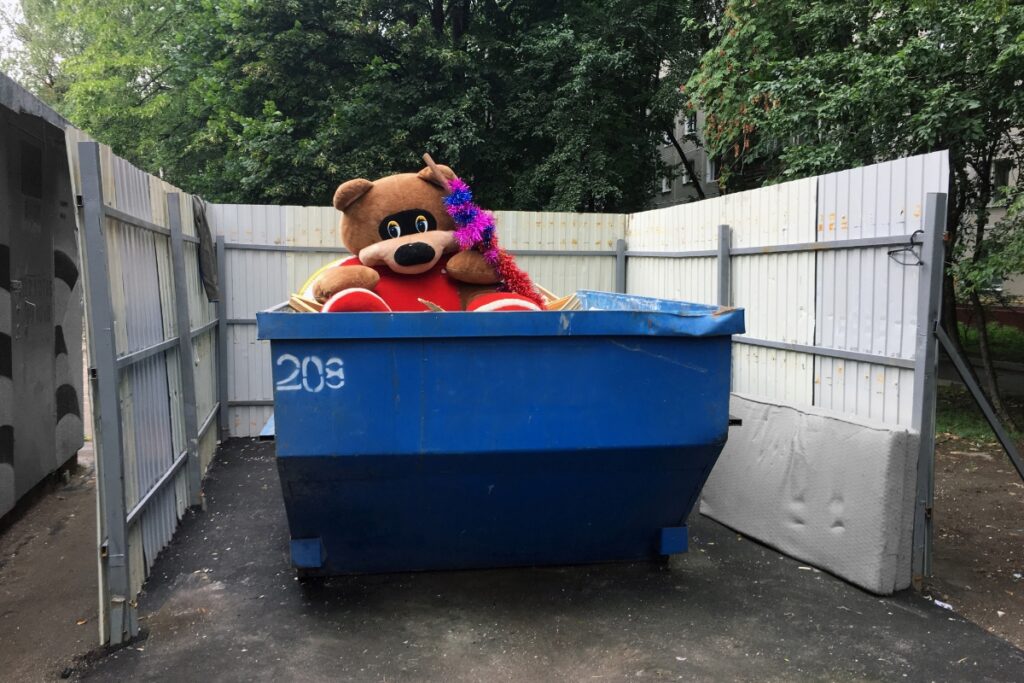
Choosing the right dumpster type depends on balancing your specific needs with practical considerations. Ask yourself:
- Is this a one-time project or ongoing waste management need?
- How much waste will I generate?
- What type of materials am I disposing of?
- What’s my budget?
- What are my space and access limitations?
- Do I need permits?
By carefully evaluating these factors and consulting with a knowledgeable dumpster rental provider, you can select the perfect dumpster type for your situation, ensuring efficient waste removal and cost-effective service.
Do you want to rent a dumpster for your home or commercial space in Utah? Rely on IronClad Site Services for dumpster rental services. We serve the following areas in Utah: Draper, Eagle Mountain, Herriman, Lehi, Orem, Provo, Salt Lake City, Saratoga Springs, Spanish Fork, Springville, and Tooele County. If you want to know more about our services, call us at 801-382-9956 or send an email to icssutah@gmail.com. Choose IronClad Site Services for your dumpster rental needs. Contact us today!