You might think renting a dumpster is an easy task. However, choosing the right size can truly make a difference when it comes to efficient cleanup, saving money, and reducing stress. Whether you’re renting a dumpster to clean out a garage, handle a renovation, or tackle a large construction job, understanding which dumpster size fits your needs is important. This way, you’ll save money, avoid delays, and keep your project organized.
In this guide, we’ll explain everything from understanding dumpster rental sizes to choosing the right one and what factors to consider before booking.
Why Dumpster Size Matters
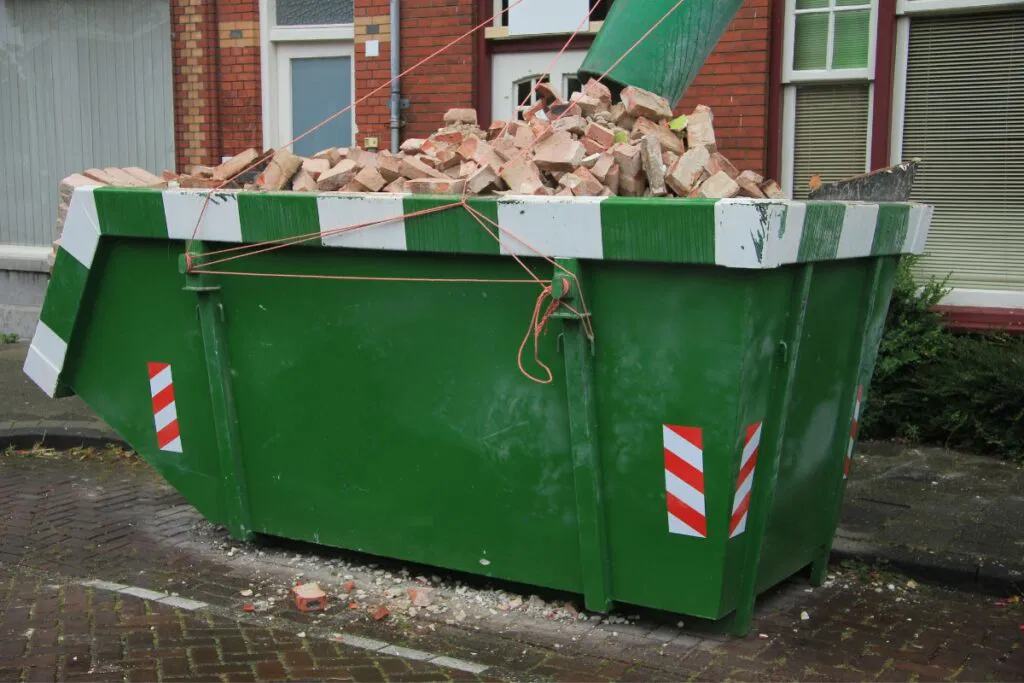
Before exploring specific dumpster sizes, let’s examine why choosing the ideal size is important:
Cost Efficiency – Dumpster rental prices often vary by size. Renting an excessively large dumpster costs more money than necessary. Conversely, selecting an extremely small dumpster may result in multiple hauls, which can quickly increase your overall cost.
Project Efficiency – An extremely small dumpster fills up quickly, likely disrupting your work process. The right dumpster size keeps your project running smoothly, avoiding delays or clutter.
Weight Limits – Every dumpster has maximum weight capacity depending on its size. Overloading can result in additional charges. Choosing the right size keeps you safe and within required weight restrictions.
Space and Accessibility – Dumpsters must fit in your driveway, project site, or designated location. Knowing size dimensions guarantees your dumpster rental will fit the available space.
What Are the Common Dumpster Sizes?
Generally, dumpster sizes are measured in cubic yards. Here are the most common sizes and corresponding project types:
10-Yard Dumpster – Dimensions: 12 ft long × 8 ft wide × 3.5 ft high with capacity of about 50–60 trash bags. Perfect for small home cleanouts, single-room decluttering, yard waste removal, small bathroom renovations, and minor flooring or carpet removal. A 10-yard dumpster is appropriate for projects with light to moderate debris. It fits in most driveways and is perfect if you don’t want a large dumpster occupying space.
15-Yard Dumpster – Dimensions: 16 ft long × 8 ft wide × 4 ft high with capacity of about 70–90 trash bags. Ideal for mid-size cleanouts, removing old furniture, roofing jobs up to 30 squares, or deck removal up to 250 sq ft. A 15-yard dumpster works best for slightly larger home improvement projects. It provides more capacity than a 10-yard version while remaining driveway-friendly.
20-Yard Dumpster – Dimensions: 22 ft long × 8 ft wide × 4.5 ft high with capacity of approximately 110–130 garbage bags. Excellent for complete house cleanouts, medium remodeling projects, basement and garage cleanouts, roofing jobs up to 40 squares, and bathroom or kitchen renovations. A 20-yard dumpster is one of the most popular rental sizes due to its great capacity without being too large. It’s the perfect option for larger cleanouts or remodels.
30-Yard Dumpster – Dimensions: 22 ft long × 8 ft wide × 6 ft high with capacity of roughly 170–190 garbage bags. Best for major home renovation projects, new home construction, large-scale cleanouts, commercial projects, and estate cleanouts. A 30-yard dumpster offers more room for large and bulky debris. Most contractors prefer this size for projects involving heavy demolition.
40-Yard Dumpster – Dimensions: 22 ft long × 8 ft wide × 7–8 ft high with capacity of about 230–250 garbage bags. Best for large construction projects, commercial cleanouts, industrial projects, large home additions, and demolition debris. A 40-yard dumpster is perfect for very extensive construction or demolition projects. This is the biggest standard size available and excellent for maximum debris capacity.
How to Decide What Size You Really Need
Before choosing the right size, understand your project’s scope, the materials you’ll dispose of, and available space.
Consider the Type of Debris – The amount of space materials occupy depends on their type.
Construction waste including wood, plaster, and drywall takes up more space than expected. Furniture and bulky items require bigger space even if not heavy. Although concrete and dirt are extremely heavy, they only require smaller dumpsters to avoid exceeding weight limits. For heavy-debris projects, you might need a 10- or 20-yard dumpster due to weight restrictions.
Estimate Debris Volume – Ask yourself: How many rooms will be cleaned out? Are there bulky items to be removed? Is demolition involved? If doubtful, choose the next size up. People often underestimate the volume of debris generated. Upsizing can save money compared to ordering a second dumpster later.
Project Duration – Choosing larger dumpsters helps avoid overflowing waste stress, especially if the project lasts several days or weeks. Long-term projects typically generate more debris than anticipated.
Check Space and Access – Before booking a dumpster, ensure it fits on your driveway, project site, street, or curb space, and that local regulations permit it.
The Consequences of Choosing the Wrong Size
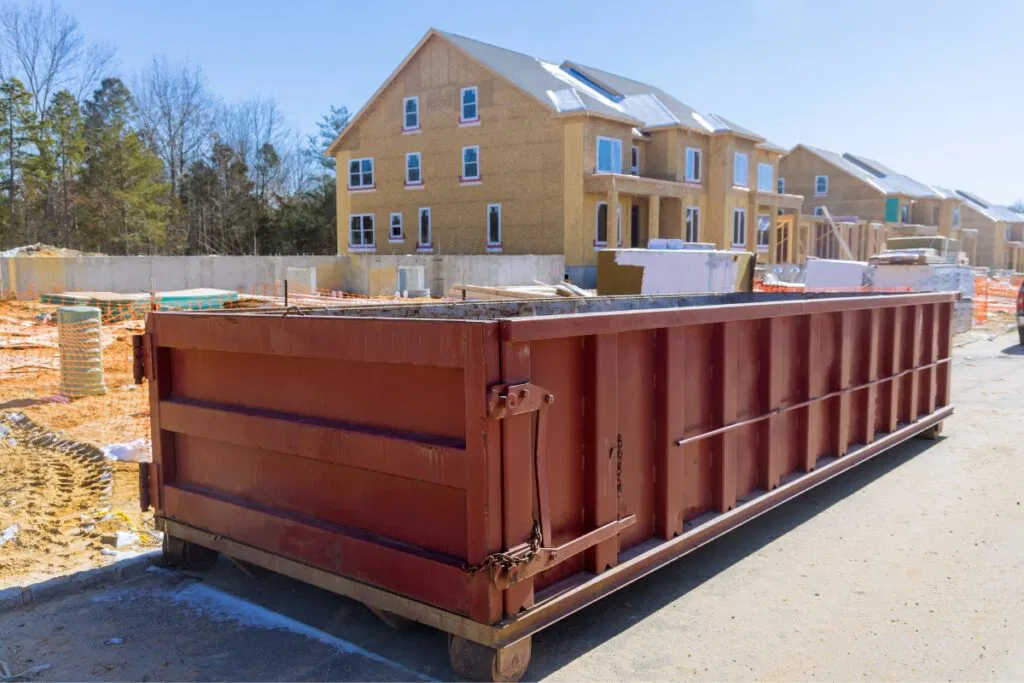
Choosing an inappropriate dumpster size can lead to several consequences:
- Overage Fees – You’ll be charged for overweight shipments, which can be expensive.
- Additional Rentals – If you order a small dumpster that fills quickly, you’ll need a second rental, resulting in additional costs.
- Project Delays – Accumulating debris can hinder progress on construction or remodeling work.
- Space Issues – An extremely large dumpster may not fit or may obstruct movement.
Tips for Choosing the Perfect Dumpster Size
- When Doubtful, Size Up – Choose a size bigger than what you think you need. It’s safer and saves money in the long run.
- Consult Rental Companies – Dumpster rental companies handle similar projects daily. Give them an idea about your project so they can recommend the right size.
- Separate Recyclables – Isolate recyclable or donatable items to help reduce the size you need.
- Know Local Restrictions – Some cities require permits for dumpsters, especially when placed on public streets.
- Consider Space Limitations – If space is limited, choose a size that fits your property.
Making the Most of Your Dumpster Rental
Once you’ve selected the right size, maximize its efficiency:
- Load Strategically – Place flat items on the bottom, break down large items, and fill gaps with smaller debris.
- Stay Within Weight Limits – Distribute weight evenly and avoid overloading one side.
- Know What’s Prohibited – Most companies prohibit hazardous materials, electronics, and certain chemicals. Check your rental agreement.
- Schedule Wisely – Time your delivery for when you’re ready to start the project, and schedule pickup when the dumpster is full but not overflowing.
Common Dumpster Rental Mistakes to Avoid
- Underestimating Debris Volume – Most people underestimate how much waste their project will generate. When in doubt, go larger.
- Ignoring Weight Restrictions – Even if your dumpster isn’t full, you can exceed weight limits with heavy materials like concrete or dirt.
- Poor Placement – Place dumpsters on level ground with easy access for both loading and pickup trucks.
- Waiting Too Long to Order – During busy seasons, dumpster availability can be limited. Book early to ensure you get the size you need.
About IronClad Site Services
IronClad Site Services offers dumpster rental for projects of all sizes. Email us at icssutah@gmail.com or call 801-382-9956.