Renting a dumpster sounds simple enough. You call a company, they drop off a big metal box, you fill it with junk, they haul it away. Easy, right? Not quite.
If you’ve never rented one before, there’s a good chance you’re about to make at least one of the mistakes on this list. It happens all the time: someone orders a dumpster for a garage cleanout or kitchen remodel feeling pretty confident, and then reality hits. The bin is too small. It’s sitting in the wrong spot on the driveway. There’s a surprise charge on the final invoice that nobody mentioned upfront.
None of this happens because dumpster rental is complicated. It happens because most people only do it once or twice in their life, so nobody really goes in as an expert. Here’s everything first-timers typically get wrong, and how to avoid the same traps.
Mistake #1: Guessing the Size
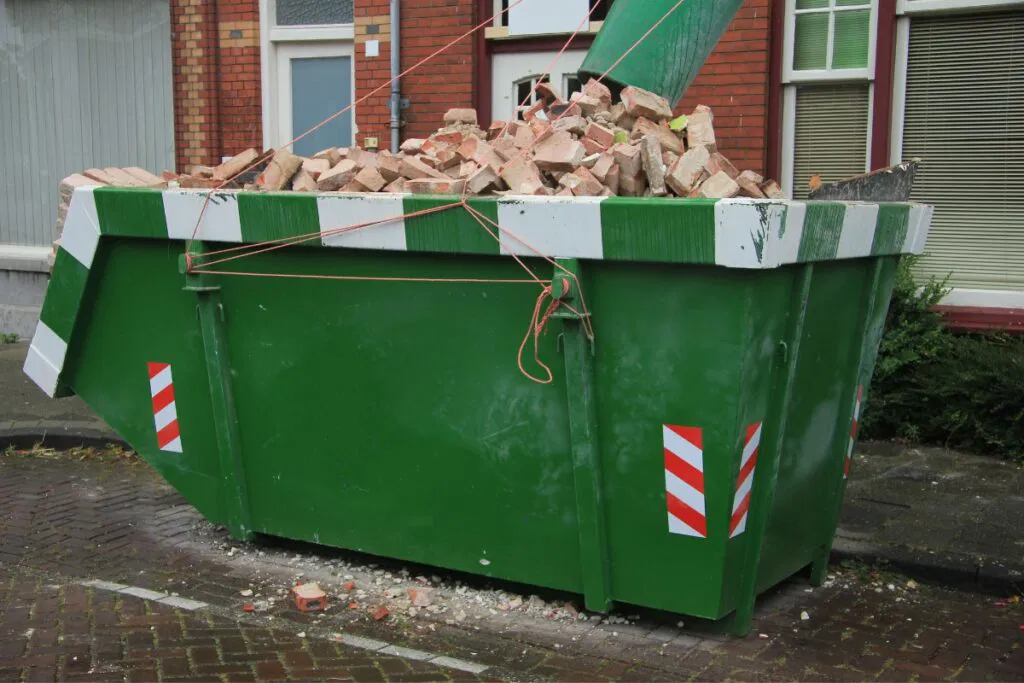
This is the big one. Almost everyone underestimates how much space their debris is actually going to take up.
Dumpsters are rented in cubic yard sizes: 10, 15, 20, 30, and sometimes 40 yards. A 10-yard dumpster might sound like plenty until you’re three hours into ripping out a bathroom and realize you’ve already filled two-thirds of it with just the tile and drywall.
Here’s what people don’t think about: debris doesn’t pack down the way you’d expect. Broken drywall, old furniture, and construction scraps take up far more volume than the same material did when it was intact. A couch that looked compact in your living room turns into an awkward, bulky mess once it’s broken down for disposal.
A rough rule of thumb:
- 10 yards: Small cleanouts, a single room, minor landscaping
- 15–20 yards: Garage or basement cleanouts, medium remodels, roofing jobs
- 30 yards: Full home renovations, large decluttering projects, new construction debris
- 40 yards: Major construction or commercial jobs
When in doubt, size up. Paying a little more for a bigger dumpster is almost always cheaper than paying for a second haul-away.
Mistake #2: Not Checking What’s Actually Allowed Inside
People assume a dumpster is a dumpster: throw stuff in, it goes away, end of story. But rental companies have strict rules about what can and can’t go in the bin, and violating them can mean extra fees or a dumpster that simply doesn’t get picked up.
Common items that are usually not allowed include:
- Tires
- Batteries
- Paint and paint cans (unless fully dried out)
- Motor oil and other fluids
- Appliances with refrigerants (fridges, AC units)
- Mattresses (some companies allow these, others charge extra)
- Anything flammable or hazardous
- Asbestos-containing materials
This trips people up constantly during renovation projects, because a lot of these items feel like ordinary household junk. That leftover can of paint in the garage? That dead car battery? They can’t just go in with everything else. If you’re not sure whether something is allowed, call the company and ask. That conversation takes two minutes and is far less painful than a contamination fee after the fact.
Mistake #3: Forgetting About Permits
If you’re placing the dumpster on your own driveway or property, you’re usually fine without a permit. But if it needs to sit on a public street, which happens often with tighter properties or urban homes, many cities require a permit before drop-off.
First-timers routinely skip this step, either because they don’t know it’s required or because they assume the rental company handles it automatically. Sometimes they do.
Often, they don’t. Rules vary widely by city and even by neighborhood, so it’s worth a quick call to your local municipality before delivery day. Getting a ticket, or having your dumpster relocated over a permit you didn’t know you needed, is an entirely avoidable headache.
Mistake #4: Not Thinking About Placement
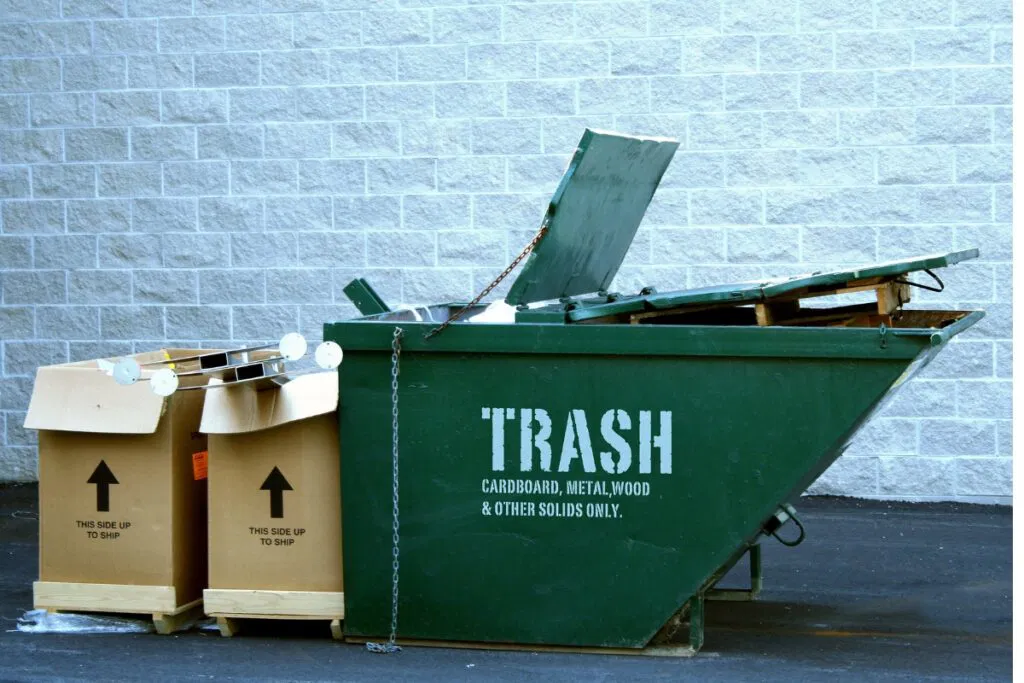
Where the dumpster actually sits matters more than most people expect. A few things tend to catch first-timers off guard:
- Weight on driveways: A full dumpster can weigh several tons. Older or weaker driveways can crack under that load, especially asphalt in hot weather.
- Overhead clearance: Delivery trucks need room to maneuver and tip the dumpster into position. Low-hanging branches or tight spaces can complicate what should be a simple drop-off.
- Access for loading: You want the dumpster close enough that you’re not hauling debris across the whole yard, but positioned so it doesn’t block your garage, driveway, or a neighbor’s access.
Before delivery day, walk the space and picture the truck actually getting the dumpster in and out. It sounds obvious, but plenty of people don’t think about it until the truck is already in the driveway trying to squeeze past a mailbox.
Mistake #5: Underestimating the Rental Period
Most rentals come with a set number of days, often between 7 and 14, before extra daily fees kick in. First-timers frequently assume their project will move faster than it does. Renovations get delayed, weekends get busy, life happens, and suddenly the dumpster has been sitting there for three extra days racking up charges you didn’t plan for.
If your timeline is even a little uncertain, ask about extending the rental period upfront and understand what that costs. It’s far easier to budget for than an unpleasant surprise on the final bill.
Mistake #6: Not Asking About the Full Price Upfront
This is one of the most common complaints from first-time renters: the price they were quoted isn’t the price they actually paid.
Dumpster rental pricing typically includes a base rate, but additional costs can layer on top depending on:
- Exceeding the weight limit
- Keeping the dumpster past the rental period
- Prohibited items found in the load
- Delivery distance or fuel surcharges
- Dump fees that vary by local landfill rates
None of these are necessarily hidden traps, they’re often legitimate costs, but they catch people off guard because they weren’t explained clearly at booking. Before you confirm, ask directly: “What could push this price higher?” A reputable company will walk you through it without hesitation. If they’re vague or dodge the question, that’s worth noting.
Mistake #7: Overloading the Dumpster
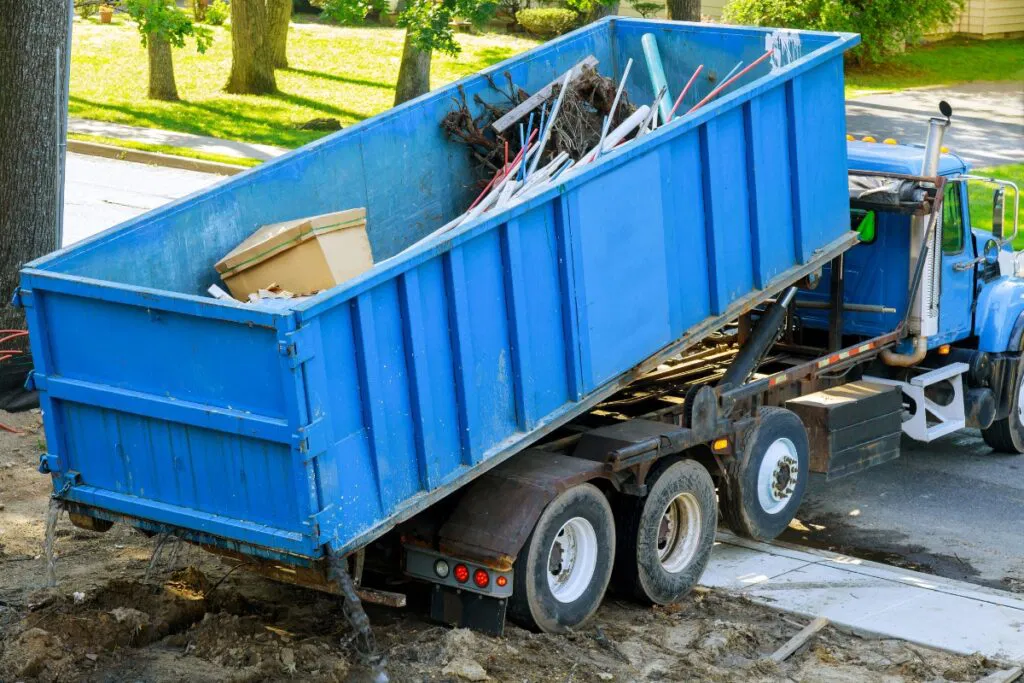
There’s a fill line on every dumpster, and it’s there for a reason: safety on the road. An overloaded dumpster can’t be legally or safely transported, which means the company may refuse to haul it away until material is removed, or they’ll charge an overage fee.
It’s tempting to keep piling things in past the line, especially when you’re almost done and just want everything gone. But overloading tends to backfire, either in extra costs or a delayed pickup that pushes your whole timeline back.
The Bottom Line
Dumpster rental isn’t complicated once you know the pitfalls, but almost nobody knows them the first time around. Size up rather than down, know what can and can’t go in the bin, check on permits before delivery day, think through placement, keep an eye on your rental window, ask about pricing details upfront, and respect the fill line.
Get those things right and your rental experience will go about as smoothly as it possibly can, which is all anyone’s really hoping for when they’re staring down a pile of junk that needs to disappear.
IronClad Site Services offers dumpster rentals and other services. Call 801-382-9956 or email icssutah@gmail.com.