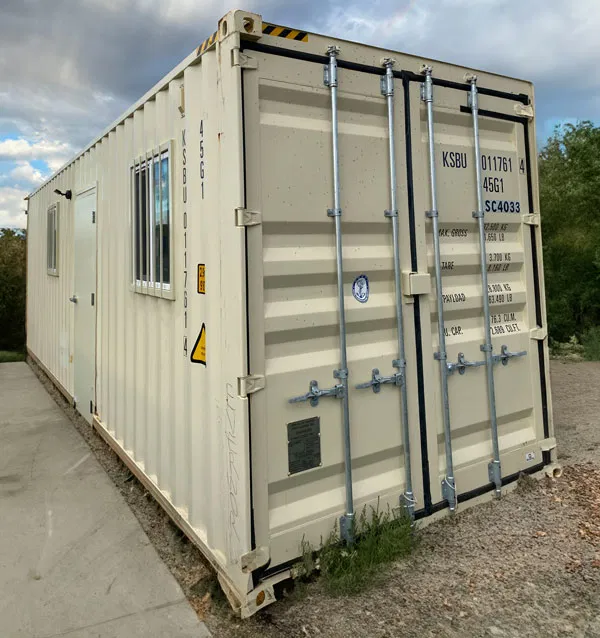
When you’re handling a cleanup, renovation, or construction project, managing waste is often overlooked but essential. Whether you’re decluttering your home or clearing debris from a busy job site, renting a dumpster can streamline the process. However, not all dumpster rentals are the same. A common question is: what’s the difference between residential and commercial dumpster rentals?
Knowing these differences can help you select the right option, avoid unnecessary costs, and keep your project on track. Here, we’ll outline residential and commercial dumpster rentals, highlight their key differences, and help you decide which one suits your needs.
Understanding Dumpster Rental Basics
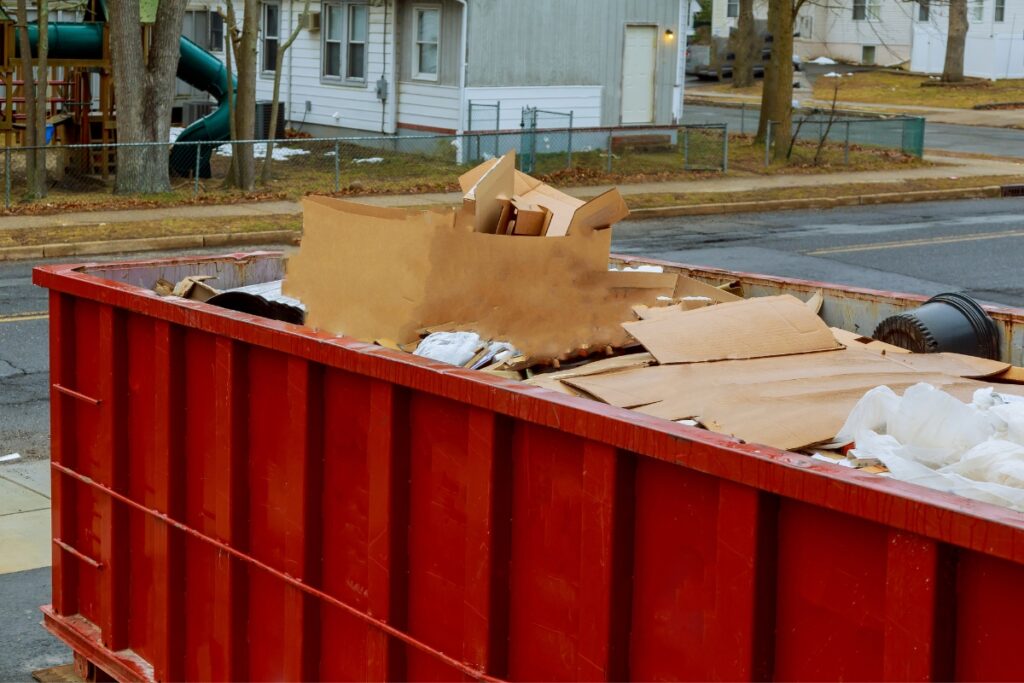
Dumpster rental services provide large containers that are delivered to your location, used for a set period, and then taken away for disposal. While this seems straightforward, the type of dumpster you need depends on the scale, duration, and nature of your project. Generally, dumpster rentals fall into two categories:
- Residential Dumpster Rentals – Designed for homeowners and small-scale projects.
- Commercial Dumpster Rentals – Intended for businesses, construction sites, and ongoing waste needs.
Each serves a specific purpose, and choosing the wrong type can lead to overspending or dealing with inadequate capacity.
What Is Residential Dumpster Rental?
Residential dumpster rental is meant for homeowners and individuals handling short-term or one-time projects. These dumpsters are often used for household cleanouts, minor renovations, landscaping tasks, and waste from moving.
Residential dumpsters work well for projects such as:
- Home cleanouts and decluttering
- Garage, attic, or basement cleanups
- Small remodeling projects (bathrooms, kitchens, flooring)
- Roofing jobs and yard debris removal
- Estate cleanouts or downsizing
Since these projects are temporary, residential dumpsters are typically rented for a short period, often just a few days to a week.
Residential dumpsters are usually smaller and easier to fit in driveways or on residential streets. Common sizes include:
- 10-yard dumpsters for small cleanups
- 15-yard dumpsters for moderate projects
- 20-yard dumpsters for larger home renovations
These sizes balance capacity with convenience, ensuring homeowners don’t pay for more space than they need.
What Is Commercial Dumpster Rental?
Commercial dumpster rental is tailored for businesses, contractors, and large projects that produce ongoing or heavy waste. These dumpsters are designed to handle greater volumes and tougher materials over extended periods.
Commercial dumpsters are often used for:
- Construction and demolition projects
- Retail and office building waste
- Manufacturing and industrial facilities
- Apartment complexes and property management
- Restaurants, hotels, and shopping centers
Unlike residential rentals, commercial dumpsters are usually part of a regular service agreement rather than a one-time rental.
Commercial dumpsters are larger and more durable, with sizes commonly including:
- 2 to 8-yard dumpsters for regular business waste
- 30 to 40-yard roll-off dumpsters for construction and demolition projects
These dumpsters can handle heavy loads, frequent pickups, and strict waste management requirements.
Key Differences Between Residential and Commercial Dumpster Rental
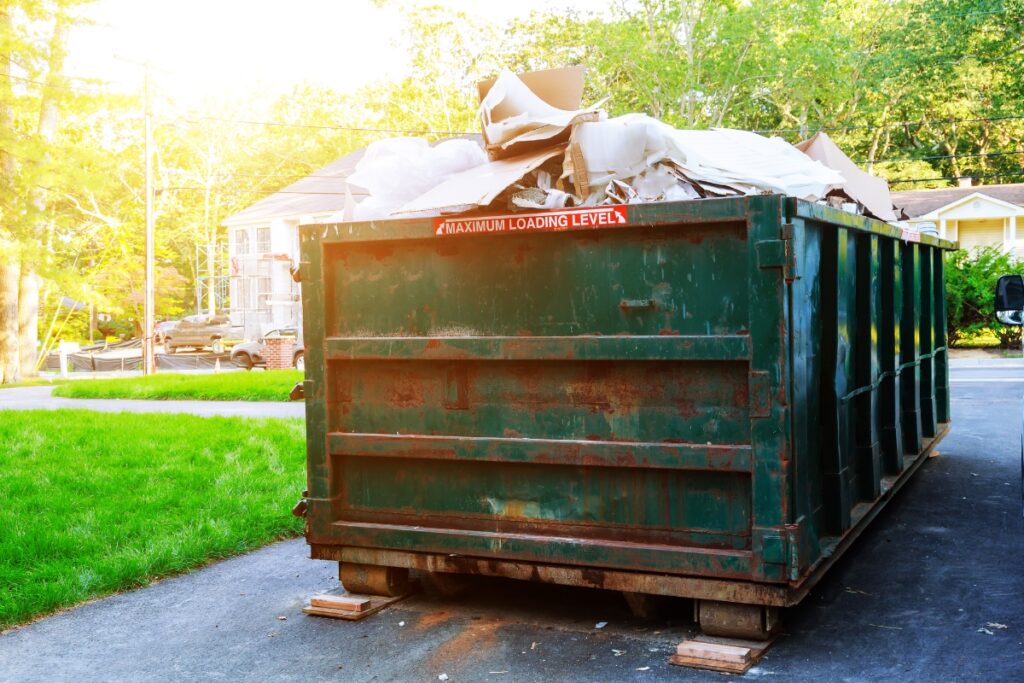
Though both options serve the same basic purpose, there are several important differences to keep in mind.
Project Scope and Scale
The main difference lies in the project size. Residential dumpster rentals are for smaller, temporary jobs, while commercial rentals are built for large-scale or ongoing waste needs. If you’re cleaning out a home or remodeling one room, a residential dumpster is usually enough. If you’re managing a construction site or running a business that generates daily waste, a commercial dumpster is a better fit.
Rental Duration
Residential rentals are typically short-term. Many homeowners only need a dumpster for a weekend or a week. In contrast, commercial rentals often involve long-term or recurring service with scheduled pickups. This difference impacts both cost and logistics, since commercial agreements are designed for consistency and reliability over time.
Dumpster Size and Capacity
Residential dumpsters are smaller and intended to fit in residential areas without disrupting traffic. Commercial dumpsters are larger and can handle heavy debris such as concrete, metal, and large amounts of construction waste. Choosing the right size is crucial. Overfilling a dumpster can lead to extra fees or safety issues.
Placement and Accessibility
Residential dumpsters are often placed in driveways or street locations. Commercial dumpsters are usually located on job sites, behind businesses, or in designated waste areas. Commercial placements typically require more space and easier access for frequent pickups, while residential placements focus on minimizing impact on neighbors and traffic.
Types of Waste Allowed
Residential dumpsters usually accept household junk, furniture, yard waste, and renovation debris. Commercial dumpsters might accept a broader range of materials, including construction debris and industrial waste, though restrictions still apply. In both cases, hazardous materials like chemicals, paint, batteries, and asbestos are generally prohibited and require special disposal.
Cost Structure
Residential dumpster rental pricing is often straightforward, with a flat rate based on size and rental duration. Commercial dumpster rental costs can be more complex, considering:
- Frequency of pickups
- Weight of waste
- Duration of service
- Type of materials disposed
Businesses often benefit from customized pricing plans based on their ongoing needs.
Choosing the Right Dumpster Rental for Your Needs
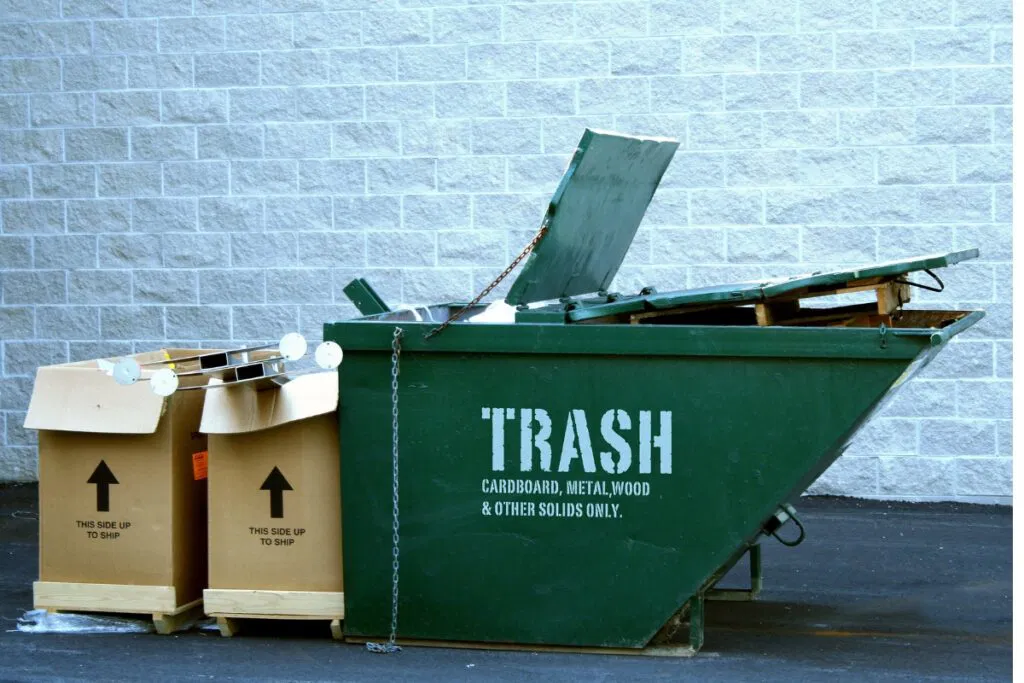
Deciding between residential and commercial dumpster rental depends on a few key factors.
Size of Your Project
If your project is limited to your home and will be completed quickly, a residential dumpster is usually the most cost-effective option. For larger or ongoing projects, commercial dumpsters provide better capacity and reliability.
Type and Volume of Waste
Heavy materials like concrete, roofing shingles, and demolition debris may need a commercial-grade dumpster, even for residential projects. Always discuss your waste type with the rental provider to avoid surprises.
Duration
Short-term cleanups are better suited for residential rentals. Long-term renovations, business operations, or construction sites typically work best with commercial services that include scheduled pickups.
Local Regulations
Some areas have rules about dumpster placement, rental timing, or types of materials. Residential dumpsters might require permits if placed on public property, while commercial dumpsters must follow zoning and safety regulations.
Benefits of Residential Dumpster Rental
Residential dumpster rental has several advantages for homeowners, including:
- Convenient and easy to schedule
- Affordable for short-term projects
- Right-sized for home use
- Helps maintain a clean, safe workspace
Having a dumpster on-site allows homeowners to focus on their project instead of making multiple trips to disposal facilities.
Benefits of Commercial Dumpster Rental
Commercial dumpster rental is designed for efficiency and scalability. It:
- Handles large amounts of waste
- Supports ongoing operations
- Improves site safety and organization
- Ensures compliance with waste regulations
For businesses and contractors, reliable waste management is crucial for keeping projects on schedule and operations running smoothly.
Environmental Considerations
Both residential and commercial dumpster rentals contribute to responsible waste management. Many providers sort and recycle materials when possible to reduce landfill impact. Commercial dumpster services often focus more on recycling and compliance due to regulatory requirements. However, homeowners can also help by separating recyclable materials and choosing providers with eco-friendly practices.
Conclusion
Understanding the difference between residential and commercial dumpster rental is key to managing waste effectively and affordably. Residential dumpsters work well for homeowners with short-term projects, while commercial dumpsters are designed for large-scale, ongoing waste needs.
By considering your project size, waste type, duration, and local regulations, you can easily select the right dumpster rental option. Whether you’re cleaning out a home or managing a busy job site, the right dumpster rental service can save time, reduce stress, and keep your project on track.
IronClad Site Services, LLC offers dumpster rentals. To learn more about the services we offer, contact us at 1-801-382-9956 or email us at icssutah@gmail.com.