Renting a dumpster can save you time, money, energy, and stress when managing remodeling projects, massive cleanouts, or construction jobs. Whether you’re a contractor overseeing a renovation or a homeowner conducting spring cleaning, having the right dumpster on-site makes waste disposal more efficient.
Unfortunately, most people new to dumpster rentals make costly mistakes that can result in delays, overcharges, and even fines. Understanding the things to avoid can help make the process smoother, keep you on budget, and help you get the most out of your rental. The following are 10 typical mistakes to avoid when renting a dumpster—and what you must do instead.
1. Selecting the Wrong Dumpster Size
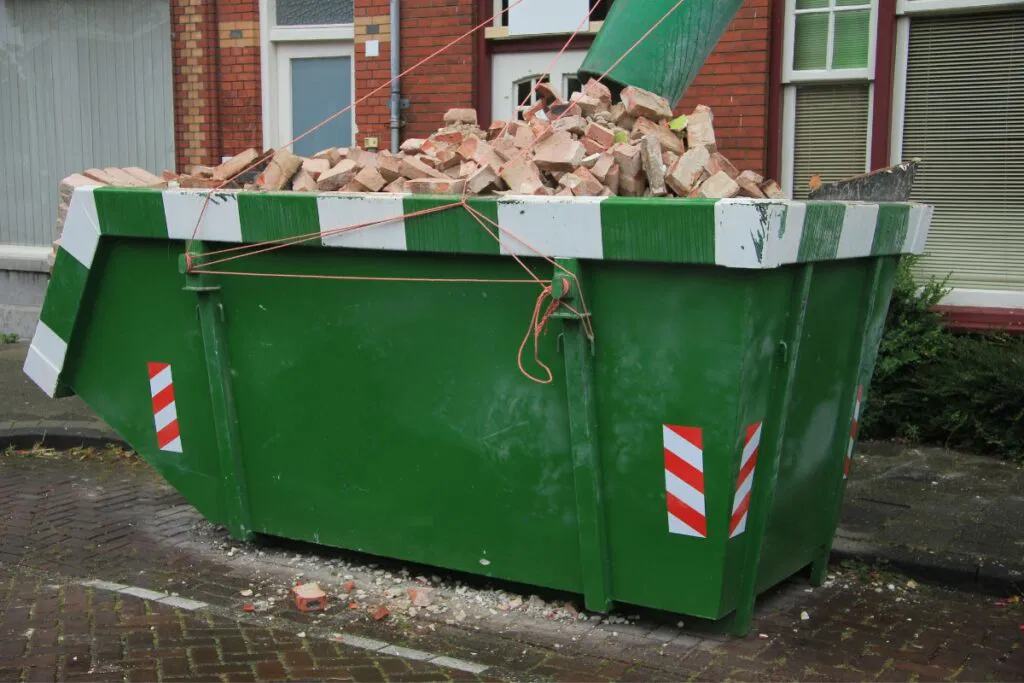
One of the most common mistakes that renters usually make is choosing a dumpster that’s either too small or too big. Keep in mind that if you choose a small dumpster, it can be quickly filled up, so you’ll have to order another one. While having an oversized dumpster might be a waste of money since you’ll be paying for unused space.
What You Must Do Instead:
Try to estimate the volume of debris you’ll generate. A 10-yard dumpster is perfect for small cleanouts, while for home renovations, 20–30-yard dumpsters are a better option. If you have some doubts, then you can always ask for recommendations from the rental company, so you can find the best size based on your project.
2. Neglecting Local Regulations
It is important to consider that not all waste can go into a dumpster. Most often, hazardous materials such as electronics, tires, asbestos, paints, and chemicals are prohibited. Additionally, some municipalities have rules about the placement of dumpsters and the number of days that they can stay.
What You Must Do Instead:
Be sure to check the regulations in your city or county before renting a dumpster. Ask the dumpster provider what materials are permitted and what must be disposed of separately. This can help prevent fines and keep your project compliant.
3. Overloading the Dumpster
Although you can easily get tempted to pile debris higher than the dumpster’s rim, this can be a major mistake. When dumpsters are overloaded, they are not safe to transport and could result in additional charges, or the provider might refuse to pick up the dumpster.
What You Must Do Instead:
You should stay within the fill line indicated by the rental company. If possible, break down bulky items and spread weight evenly. If you have some doubts, you could choose to rent a slightly larger dumpster rather than risk overload.
4. Keeping the Dumpster for a Longer Period of Time
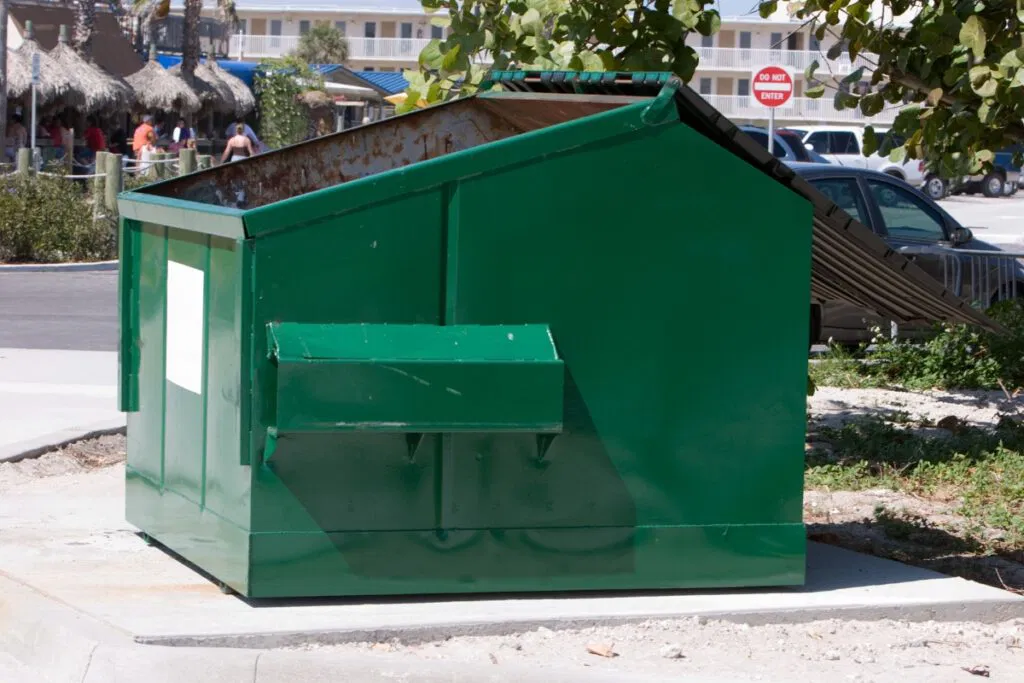
Generally, dumpster rentals come with a set rental period, usually between 7 and 14 days. If you keep the dumpster longer than the period agreed upon, you’ll likely incur daily late fees.
What You Must Do Instead:
Plan your project timeline carefully and schedule your rental for the period when most waste will be generated. In case of delays, be sure to contact the rental company ahead of time to discuss extending the rental—this may cost less than surprise late fees.
5. Placing the Dumpster in the Wrong Location
The placement of your dumpster does matter. Avoid placing the dumpster in an area without clearance, on soft ground, or in a tight space since it will be difficult for the hauler to drop off or pick it up. If the dumpster is not properly placed, then it could cause damage to your property.
What You Must Do Instead:
Place the dumpster on a flat, stable surface such as a driveway or designated construction zone. Ensure that there’s enough clearance above (for opening doors or lifting debris) and around (for delivery trucks to maneuver). Place plywood under the dumpster to prevent scratches or cracks on your pavement.
6. Not Comparing Rental Companies
Most people make the mistake of renting from the first dumpster company they find without shopping around. This could lead to paying higher rates or missing out on better service options.
What You Must Do Instead:
Gather at least three quotes from different companies. Aside from the prices, you should also compare the things that are included, such as delivery, weight limits, pickup, and rental period. Before deciding, check reviews and inquire about hidden fees.
7. Misjudging Weight Limits
Dumpster rentals come with weight allowances, and exceeding them can be costly. Take note that heavy materials such as roofing shingles, concrete, or dirt can add up quickly. Unfortunately, most renters are not aware that they’ve gone over the limit until they see the unexpected bill.
What You Must Do Instead:
Know the weight restrictions for your dumpster size. If you’re trying to get rid of dense materials, ask your provider about special dumpsters intended for heavy debris. Separate heavier items from lighter ones for better weight management.
8. Disposing of Prohibited Items
Tossing banned items into a dumpster is a bad idea and could cause serious problems. There are strict disposal laws that companies must follow. And if you mix restricted materials in your load, it could result in fines or rejection at the landfill.
What You Must Do Instead:
Before you start your project, make a list of what items will be thrown into the dumpster. Avoid mixing electronics, flammable items, and hazardous materials in your load. Most often, the rental company will provide you with a list of prohibited items—be sure to follow them carefully.
9. Failing to Plan for Delivery and Pickup
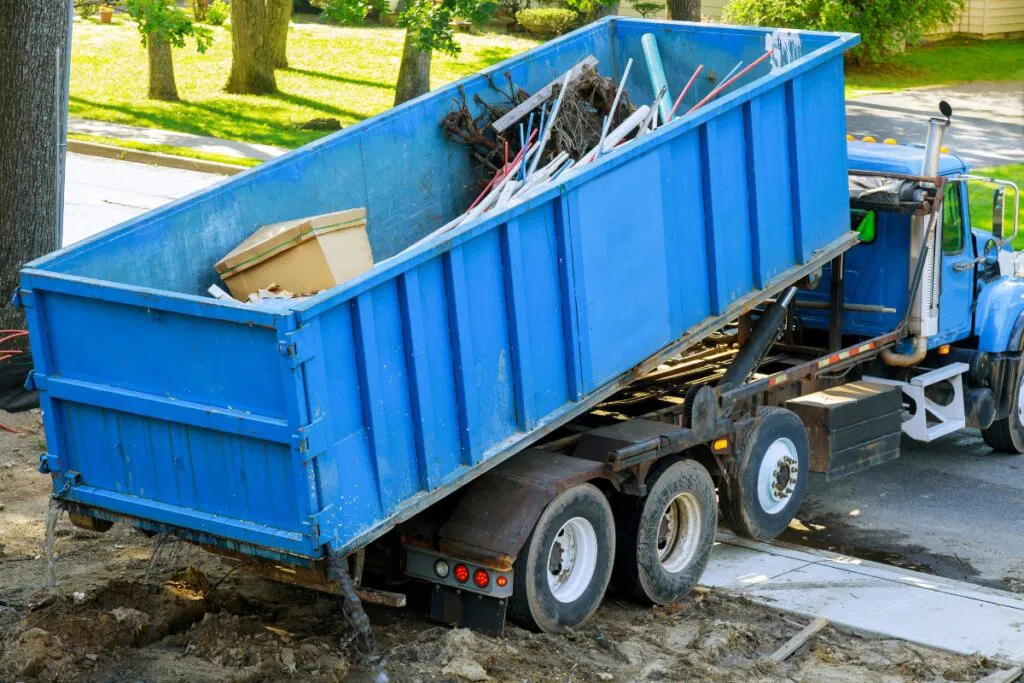
Dumpsters are large, heavy, and delivered by trucks that require ample space. In case there are trees, vehicles, and other obstacles blocking the area, delivery and pickup can be delayed, costing you time and money.
What You Must Do Instead:
Before your scheduled delivery, be sure to clear the space. Inform your neighbors in case the dumpster will take up shared space, such as an alley or street. At pickup time, ensure that the area is accessible so the truck can retrieve it quickly.
10. Underestimating the Value of Good Communication
Poor communication with your dumpster provider can result in misunderstandings about restrictions, timelines, or costs. Sadly, some renters assume everything is included, only to discover that there are hidden fees for things such as exceeding rental terms, disposal of certain items, or fuel surcharges.
What You Must Do Instead:
Ask questions up front and put everything in writing. Ask about the restricted materials, fees for extra weight or days, pickup process, and rental period. A reliable provider will be transparent and responsive—if they aren’t, then you should look for another company.
Conclusion
Renting a dumpster doesn’t have to be stressful or expensive. By avoiding these 10 common mistakes, you’ll save money, stay compliant with local rules, and keep your project running smoothly. There are simple things that you need to do, such as choosing the proper size, adhering to regulations, avoiding overloading, and communicating clearly with your provider.
A little preparation can go a long way. Whether you’re renovating your kitchen, managing a construction site, or cleaning out a garage, having a properly planned dumpster rental can make the process much more efficient and stress-free.
IronClad Site Services, LLC, offers dumpster rental services. If you need one, then get in touch with us at 1-801-382-9956 or email us at icssutah@gmail.com.