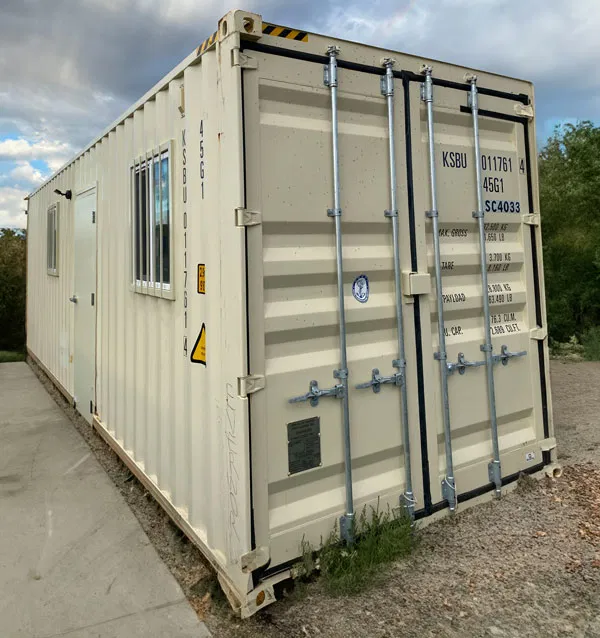
In construction sites, waste management is not an easy task. Whether it’s a large commercial project or a residential renovation, debris can quickly accumulate, leading to clutter, safety hazards, and regulatory issues.
That is why having a well-organized waste disposal plan is essential—it guarantees a more efficient, cleaner, and safer job site. One of the most effective solutions is renting a dumpster for construction sites. A dumpster rental offers a centralized location for managing waste, keeping your site organized and compliant with local regulations.
However, while dumpster rental services may seem like a straightforward solution, several common mistakes can lead to compliance issues, increased costs, and unnecessary delays. By understanding these pitfalls, project managers and contractors can avoid them, ensuring that their projects run smoothly and that the job site remains safe and well-organized.
Why It Is Essential to Have a Dumpster Rental on a Construction Site
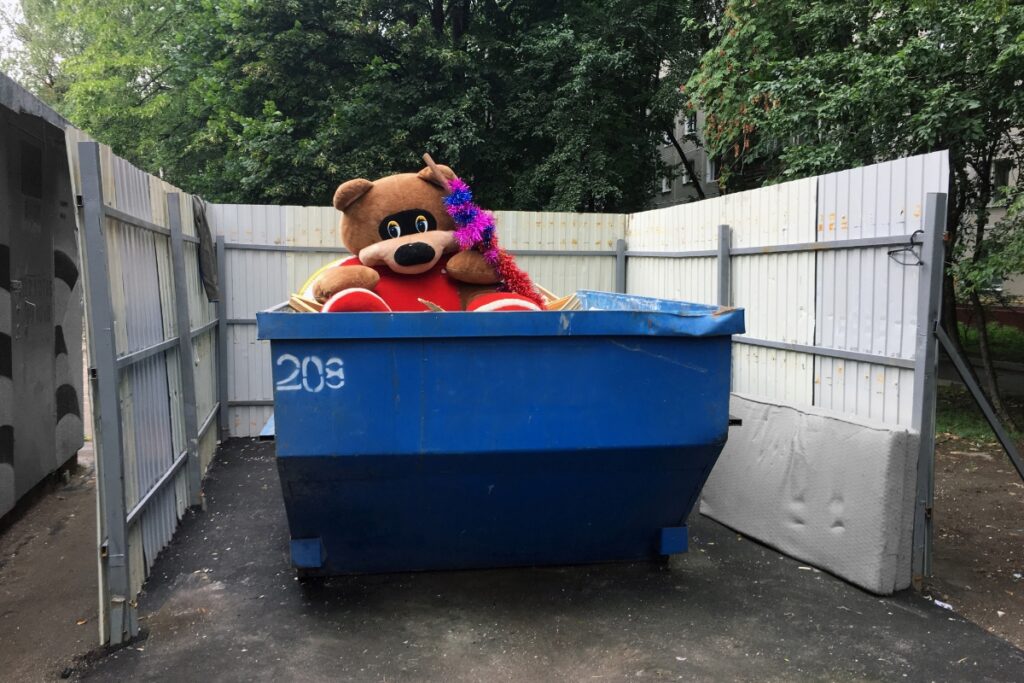
Construction projects generate a variety of waste materials—from scrap metal, concrete, drywall, and wood to other construction debris. Without a proper disposal system, these materials can pile up quickly and lead to safety hazards, environmental violations, and work slowdowns. A well-managed dumpster rental service can prevent these issues in several key ways:
- Job Site Safety: Loose debris on a construction site poses significant safety risks, such as tripping hazards that can lead to injuries. By ensuring that waste materials are properly contained in a dumpster, the likelihood of workplace injuries is greatly reduced. This not only keeps workers safe but also ensures compliance with OSHA and local safety policies.
- Enhanced Efficiency: A designated dumpster helps prevent clutter on the job site. When waste is centralized and managed effectively, workers can focus on their tasks rather than spending time clearing debris. A clean, organized site can help keep the project on schedule and improve overall workflow.
- Legal Compliance: Proper waste disposal is essential for meeting local regulations, especially when dealing with hazardous materials or landfill restrictions. Renting a dumpster ensures that waste is sorted and disposed of in an environmentally friendly manner, reducing the risk of fines and legal issues.
Common Blunders to Avoid When Renting a Dumpster for a Job Site
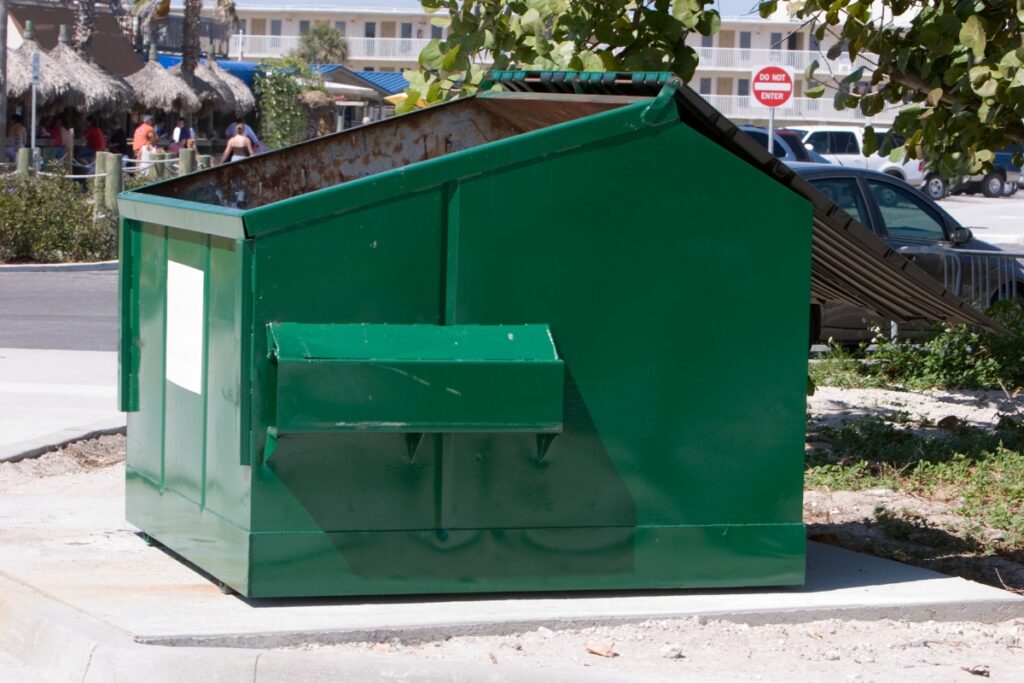
Even though dumpster rental can streamline waste management, there are several common mistakes that can compromise its effectiveness:
1. Selecting the Incorrect Dumpster Size
One of the most frequent errors is choosing a dumpster that is either too large or too small for the project’s needs. Overestimating the size of the dumpster can lead to wasted space and unnecessary expense, while underestimating the size may require additional hauls, which can delay the project and increase costs.
How to Prevent This: Before renting a dumpster, consider the volume and type of waste expected to accumulate. Assess your project’s scale carefully. Typically, there are three standard dumpster sizes: 20-yard dumpsters for small remodels, 30-yard dumpsters for medium-scale projects, and 40-yard dumpsters for large commercial projects. Choosing the right size from the start helps optimize your budget and minimizes the need for extra pickups.
2. Disposal of Prohibited Items
Not all waste materials are allowed in a dumpster. Certain items, such as toxic or flammable substances, electronics and batteries, asbestos-containing materials, and hazardous paints and chemicals, are prohibited due to safety and environmental concerns.
How to Prevent This: Ensure that you segregate any hazardous waste materials and dispose of them through the appropriate facilities. Always ask your dumpster rental provider for a list of restricted items to avoid potential fines and ensure compliance with local regulations.
3. Inaccurate Placement of the Dumpster
The location where the dumpster is placed on the job site can greatly affect workflow and accessibility. An improperly placed dumpster can obstruct movement, cause inefficiencies, and even pose safety hazards.
How to Prevent This: Place the dumpster in an area that is easily accessible to workers, yet out of the way of critical work zones. Ensure that it is set on a flat, level surface to prevent shifting or tipping. Additionally, check local regulations regarding the placement of dumpsters on sidewalks or streets to avoid violations.
4. Overloading the Dumpster
Every dumpster comes with a weight limit, and exceeding this limit can lead to vehicle issues or additional fees. Overloading can also damage the dumpster, leading to delays in waste removal.
How to Prevent This: Distribute heavy items evenly throughout the dumpster. Avoid piling all heavy debris, like roofing shingles or concrete, in one spot. If your project generates a large volume of heavy waste, consider renting multiple dumpsters to distribute the load appropriately.
5. Failure to Schedule Pickup and Removal
Allowing a dumpster to remain on-site for too long can lead to clutter, project delays, and extra rental fees. Regular pickup and removal are essential to maintaining an organized work environment.
How to Prevent This: Plan your dumpster pickups ahead of time. For long-term projects, schedule additional hauls to manage ongoing waste accumulation. A well-planned pickup schedule ensures the site remains clear and work continues without interruption.
How to Optimize Dumpster Efficiency on Construction Sites
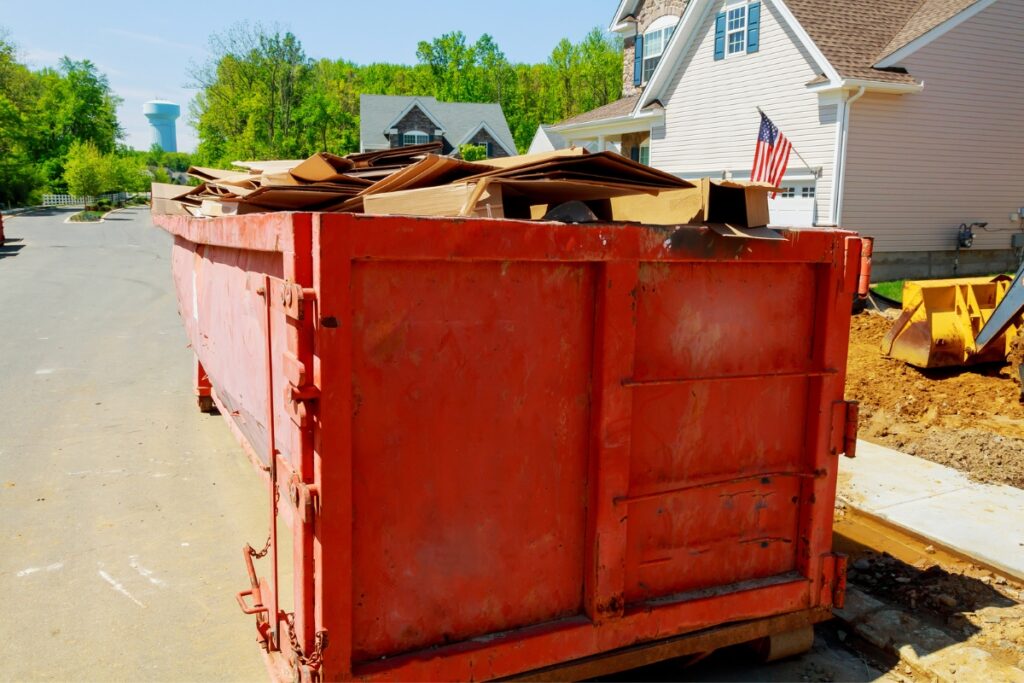
Implementing a few strategic practices can significantly enhance the efficiency of your dumpster rental service:
1. Isolate Items for Recycling
Many construction materials, such as concrete, wood, and metal, can be recycled. Sorting waste before disposal reduces landfill impact and can lower disposal costs. Consider designating separate areas for recyclables and non-recyclables so that materials are processed appropriately.
2. Inform Workers About Waste Management Guidelines
Clear communication with your workers is essential for proper waste management. Make sure that everyone understands what items can and cannot be disposed of in the dumpster. Establish clear guidelines and designate a specific waste disposal area to keep the site organized.
3. Load the Dumpster Effectively
Maximize the dumpster’s capacity by breaking down large debris into smaller pieces and stacking items efficiently. Place heavier materials at the bottom and lighter ones on top to maintain balance and avoid overloading one section of the dumpster.
4. Keep Track of Waste Generation
Monitor how quickly your dumpster fills up. If you notice it filling up faster than anticipated, plan for additional pickups in advance to avoid overflow. Keeping track of waste generation helps prevent disruptions and ensures a smooth workflow throughout the project.
The Benefits of Effective Waste Management
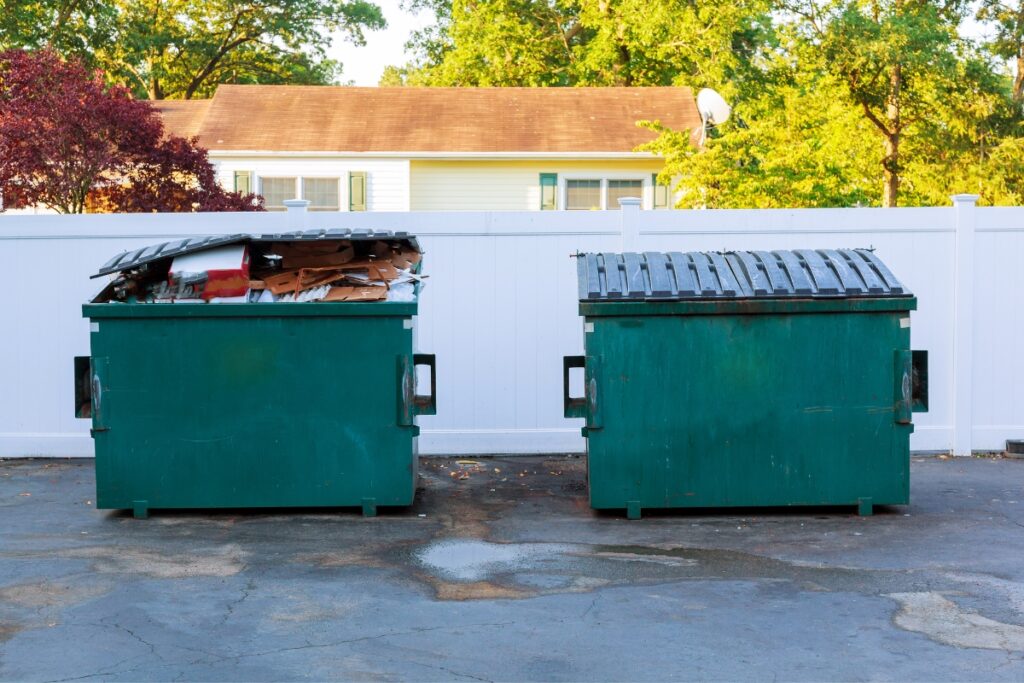
Efficient waste management on construction sites is more than just keeping the site tidy. It has far-reaching benefits that affect every aspect of a project:
- Improved Safety: By containing debris and hazardous materials, you reduce the risk of accidents and injuries on-site.
- Enhanced Productivity: A clean, organized work environment allows workers to focus on their tasks, improving efficiency and reducing downtime.
- Cost Savings: Preventing overloading, reducing the need for additional pickups, and ensuring proper recycling practices can all lead to significant cost savings over the course of a project.
- Environmental Impact: Proper waste disposal and recycling reduce the environmental footprint of your project, contributing to sustainable building practices and regulatory compliance.
Final Thoughts
Managing waste on a construction site is a complex but essential task. With the right dumpster rental service and an effective waste disposal plan, you can keep your job site safe, organized, and compliant with local regulations. Avoiding common mistakes—such as choosing the wrong dumpster size, improper placement, overloading, and failing to schedule timely pickups—will ensure that your project runs smoothly.
Effective waste management not only improves safety and productivity but also helps reduce overall project costs and environmental impact. By implementing the tips outlined in this guide, you can maximize dumpster efficiency, maintain a clean work environment, and prevent costly delays.
At IronClad Site Services, LLC, we provide efficient dumpster rental solutions for contractors and project managers. Our services ensure that your job sites are organized, safe, and compliant with all waste management policies. Regardless of your project size, we offer environmentally friendly and hassle-free waste disposal solutions tailored to your needs.
Is your construction site in need of reliable waste management solutions? If you’re in Phoenix, Arizona, trust IronClad Site Services, LLC to provide top-notch dumpster rental services for your project. Whether your job site is small or large, our environmentally friendly and efficient waste disposal solutions are designed to meet your needs. For more information or to schedule a service, please call us at 1-801-382-9956 or email us at icssutah@gmail.com. Choose IronClad Site Services, LLC for all your dumpster rental and waste management needs. Contact us today and experience hassle-free waste disposal!